


When comparing a fiberglass vs. aluminum flagpole, the differences go far beyond surface appearance. The material your flagpole is made from directly affects how long it lasts, how much maintenance it requires, and how well it holds up against different environmental conditions like coastal climates, soil conditions, and high winds. While aluminum flagpoles have been widely used for decades, they come with significant limitations that make fiberglass a smarter long-term investment for homeowners and commercial property owners alike. This guide breaks down the key disadvantages of aluminum flagpoles and explains why fiberglass is consistently the superior choice for durability, performance, and value.
What Are the Main Disadvantages of Aluminum Flagpoles?
Aluminum flagpoles are very common, but common doesn’t mean best. Before committing to an aluminum flagpole, it’s important to understand where the material falls short.
Aluminum Is Prone to Corrosion and Oxidation
One of the biggest drawbacks of aluminum flagpoles is their vulnerability to corrosion. While aluminum does not rust in the traditional sense, it oxidizes when exposed to moisture, salt air, and acidic soils. This oxidation creates a chalky, pitted surface over time that degrades the structural integrity of the pole. For anyone installing a flagpole in a coastal environment, near a body of water, or in regions with high humidity, an aluminum pole will show visible wear.

Aluminum Flagpoles Dent, Warp, and Scar
Aluminum is a relatively soft metal, which means it is susceptible to denting, scarring, and warping — especially under the stress of high winds or accidental impact. Unlike fiberglass, which flexes under load and returns to its original shape, an aluminum pole can permanently deform when exposed to strong forces, weakening its ability to handle future wind events safely.
Aluminum Conducts Electricity
Aluminum is a metal known for conductivity of electricity; it has over 60% of the conductivity of copper, a more common conductor. This creates a safety risk in areas that experience frequent lightning. A fiberglass composite flagpole is non-conductive, significantly reducing the risk of electrical hazards during storms, which is an important advantage for any property where people are regularly nearby.
Aluminum Flagpoles Require More Maintenance
Aluminum poles demand more upkeep over fiberglass flagpoles. Oxidation must be treated or polished; hardware can corrode and seize, and the surface may require periodic refinishing. Fiberglass flagpoles, by contrast, are virtually maintenance-free. Their smooth, UV-protected finish resists fading and surface damage without the need for regular treatment.
Aluminum Is Noisey
Anyone who has stood near an aluminum flagpole on a windy day knows the persistent clanging produced when the halyard, counterweight, and/or snaps strike the metal pole. It’s noticeable from offices, school classrooms, hospitals, etc. Fiberglass is a natural sound-defense material. Flagpoles constructed of fiberglass composite are significantly quieter in comparison, making them far more neighbor friendly.
Aluminum Has Limited Performance in Extreme Conditions
In high-wind zones, hurricane-prone regions, or areas subject to frequent severe weather, an aluminum pole is more likely to bend, buckle, or break under extreme stress. Fiberglass flagpoles are engineered for these conditions, offering structural flexibility and wind ratings that aluminum cannot match. For more, read our guide on high wind flagpoles.
Why Zeus Fiberglass Flagpoles Are the Superior Choice
At Zeus Flagpoles, every pole is handcrafted in the United States by layering (uniquely made for Zeus) woven fiberglass roving and resin to deliver maximum strength, flexibility, and beauty. Our flagpoles are available across four series to match any application, from light residential use to severe weather commercial installations, with wind ratings from 65 mph up to 180 mph unflagged. All Zeus flagpoles come with five standard color options at no additional cost, are backed by the best warranty in the industry. They are not only Made in the USA, they are also Buy American Act (BAA) and Build America, Buy America (BABA) compliant.
When you choose a Zeus fiberglass flagpole over an aluminum alternative, you’re investing in a pole that will outlast, outperform, and outlook anything aluminum has to offer. To find the right series for your project, contact our experts today or compare our flagpole models.
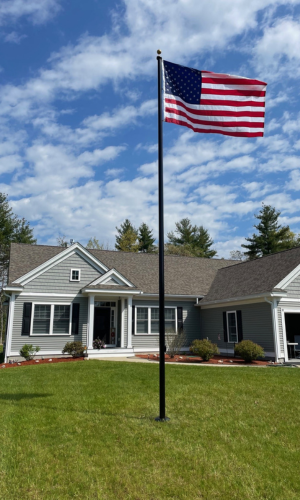
Zeus Flagpoles are the premier solution, delivering maximum strength, flexibility, and beauty that aluminum flagpoles cannot match. No matter which Zeus Flagpole you select, all of our poles are backed by the best warranty in the industry.
See Our Zeus Flagpoles In Action
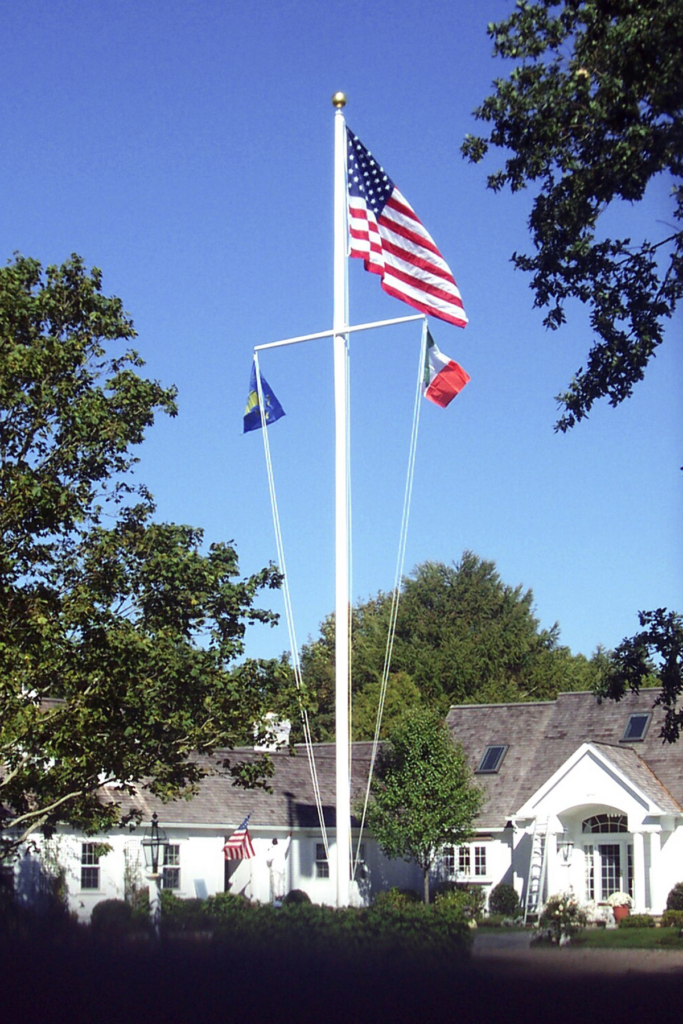
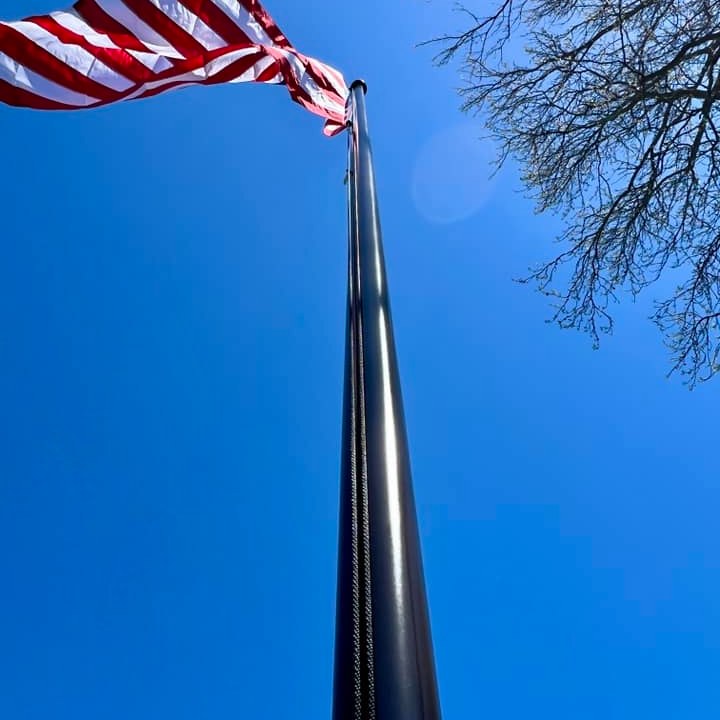
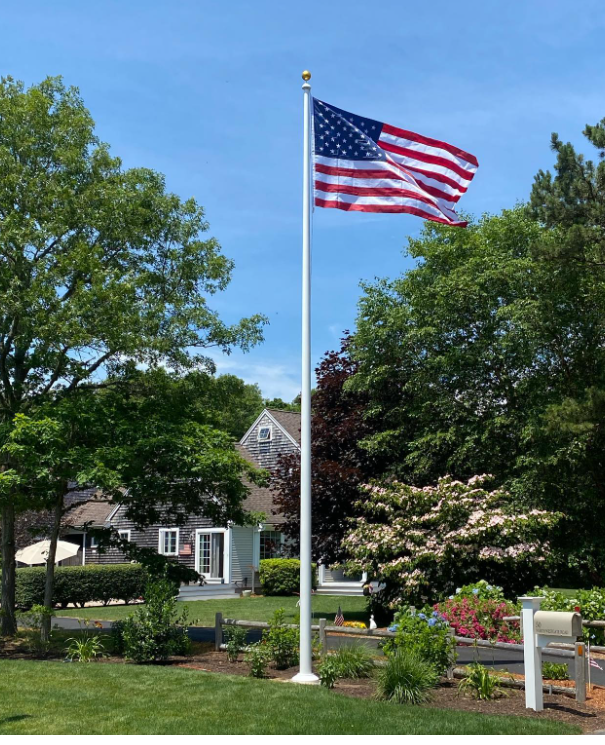
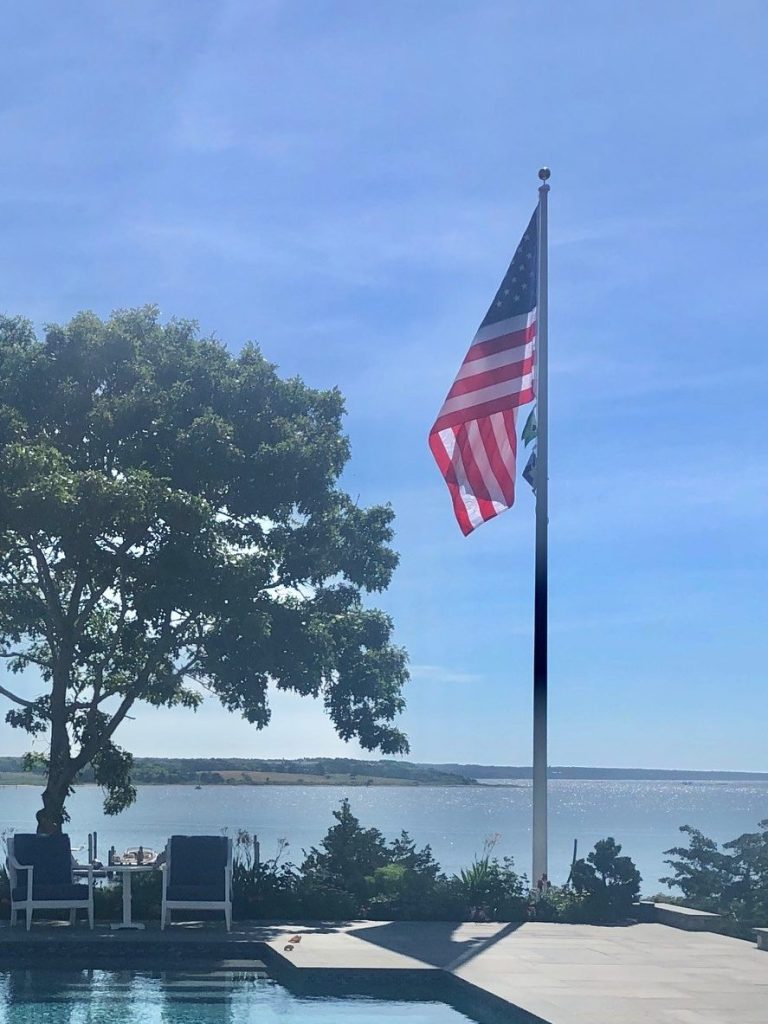
Unsure what flagpole best fits your needs? Contact us for assistance or compare all of our models today!
Frequently Asked Questions
Is fiberglass stronger than aluminum for flagpoles?
Yes, fiberglass flagpoles are stronger than aluminum flagpoles. Fiberglass flagpoles are engineered to flex under wind load without permanently deforming, giving them a structural advantage in high-wind environments. Fiberglass is also immune to the oxidation and pitting that weakens aluminum poles over time.
Do aluminum flagpoles rust?
Aluminum flagpoles do not rust the way steel does; however, it does oxidize when exposed to moisture, salt air, and acidic soils. This causes pitting and surface degradation that compromises both the appearance and structural integrity of the pole.
Why is a fiberglass flagpole better for coastal areas?
Fiberglass is completely resistant to salt air corrosion, making it far superior to aluminum flagpoles for coastal environments. Aluminum poles oxidize rapidly and require frequent maintenance and replacement.

Follow Us!