



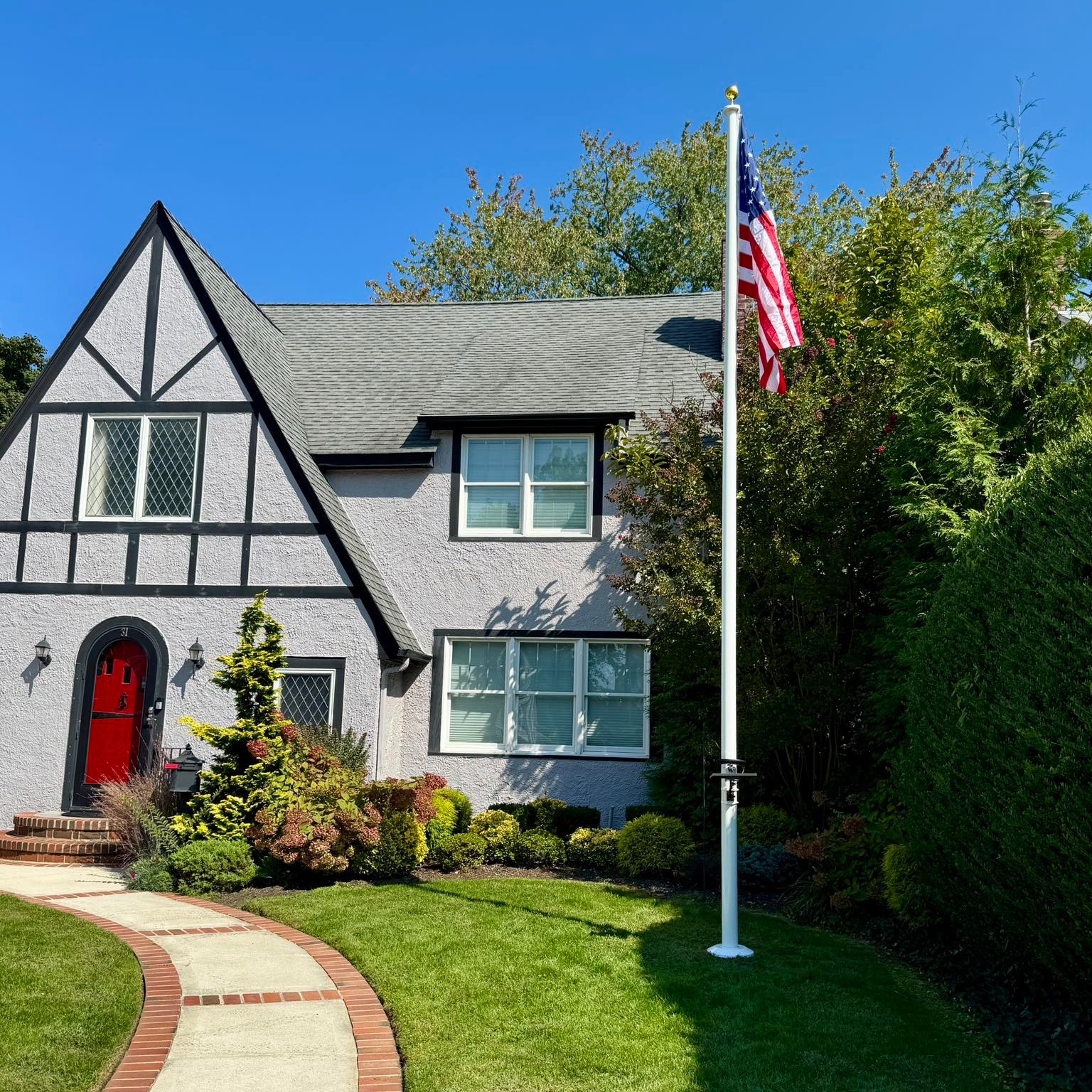
Telescopic flagpoles are often marketed as a convenient, easy-to-store option, sliding open and locking into place at the desired height. On the surface, that convenience is appealing, but telescopic flagpoles rely on a design that introduces multiple points of weakness at the joints. While a one-piece flagpole eliminates that problem entirely. This guide breaks down the most common telescopic flagpole issues and explains why a one-piece fiberglass flagpole from Zeus truly is the more durable, better-performing choice for your home or business.
The Main Disadvantages of Telescopic Flagpoles
Telescopic flagpoles are built from several tapered sections that slide inside one another and lock in place with an internal button, spring clip, or twist collar. The design may look simple, but it creates several drawbacks once the pole is installed.
Telescopic Flagpoles Depend on Weak Locking Joints
Every point where one section meets the next is a potential failure point. The internal locking mechanisms that hold a telescopic flagpole open are typically spring-loaded buttons or friction collars, which bear the full stress of wind load and vibration. Over time, these joints can loosen, slip, or fail, causing sections to collapse or sag.
Telescopic Flagpole Sections Can Stick and Rattle
Since the sections rely on sliding inside one another, any dirt, moisture, or corrosion can build up between the tubes. When you collapse or extend the flagpole, it can get stuck or even rattle as loose sections shift in the wind.
Lower Wind Performance and Shorter Heights
A telescopic pole is as strong as its weakest joint, resulting in many flagpoles being rated for far lower wind speeds compared to solid, one-piece flagpoles. In addition to the lower rating, these flagpoles are typically offered in shorter heights given their limitations. In a storm, this segmented design is more likely to bend or buckle at their joints. For more guidance on selecting a flagpole that can withstand severe weather, we recommend reading our article about selecting a heavy-duty flagpole.

Telescopic Flagpoles Require Ongoing Maintenance
Given the nature of its design, the joints on telescopic flagpoles need to be checked, tightened, and sometimes replaced due to wear and tear. Additionally, these poles are typically made of aluminum, which means they’re subject to oxidation, denting, and scarring. Fiberglass flagpoles are incredibly low maintenance, given how they are resistant to rust, corrosion, oxidation, and pitting. Consider reading our guide on fiberglass vs. aluminum flagpoles for more information.
Visible Seams Impact Curb Appeal
A telescopic flagpole has visible seams and locking collars at each joint, giving it a segmented appearance rather than the clean, continuous line of a single pole. For homeowners and businesses who want a flagpole that enhances their curb appeal, a seamed or segmented look is a drawback.
Why Zeus Fiberglass Flagpoles Are the Superior Choice
A one-piece flagpole has no locking mechanisms, no overlapping tubes, and no joints that weaken the pole under environmental stress. The single, continuous design is how every Zeus Flagpole is built, and it’s why one-piece fiberglass consistently outperforms telescopic aluminum poles in every category. Each Zeus Flagpole is handcrafted in the United States by layering woven fiberglass roving with resin, creating a pole that withstands high winds and severe weather. Fiberglass flagpoles are the superior low-maintenance option, given how they’re resistant to rust, corrosion, pitting, and oxidation.
Zeus Flagpoles are engineered for exceptional, long-term durability and supported by industry-leading warranties. When you choose one of our flagpoles over a telescopic flagpole, you’re investing in a pole that will outperform and outlast. Contact our team of experts today to find the right flagpole for your project or compare our models below.

A one-piece Zeus fiberglass flagpole delivers the height, strength, and wind performance a telescopic pole simply cannot.
See Our Zeus Flagpoles In Action
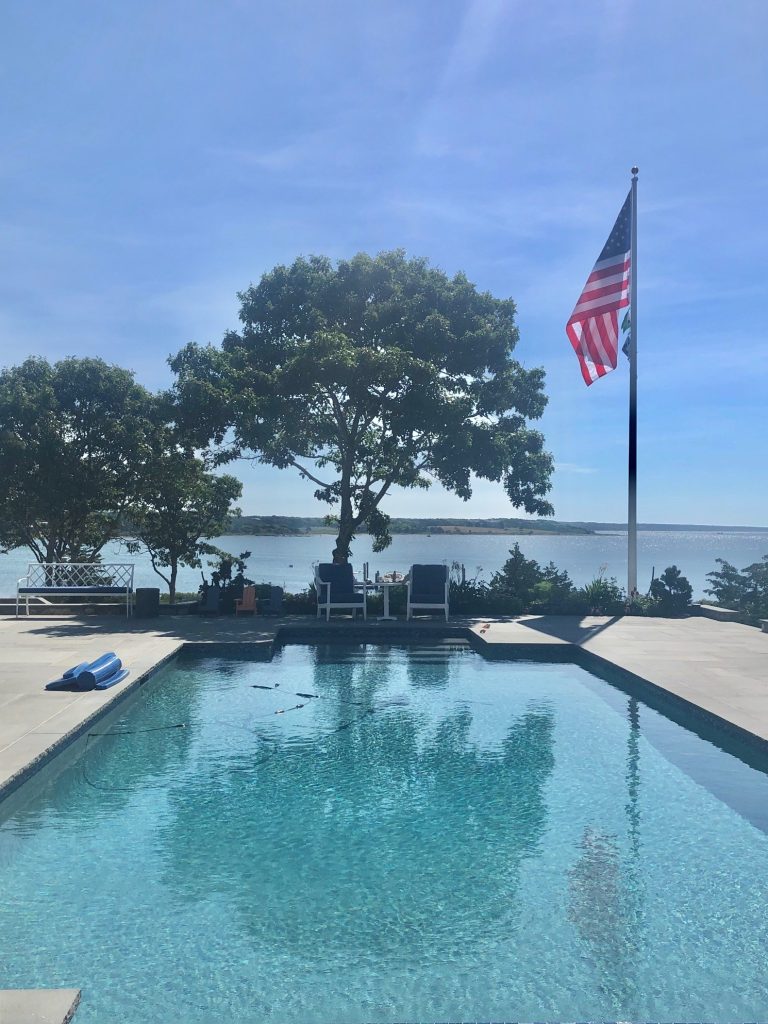
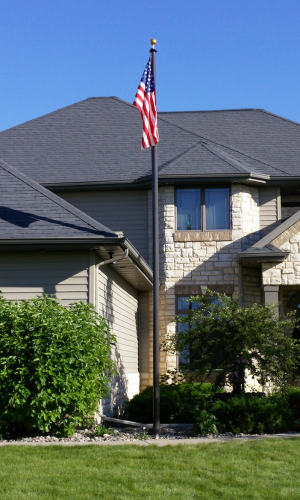

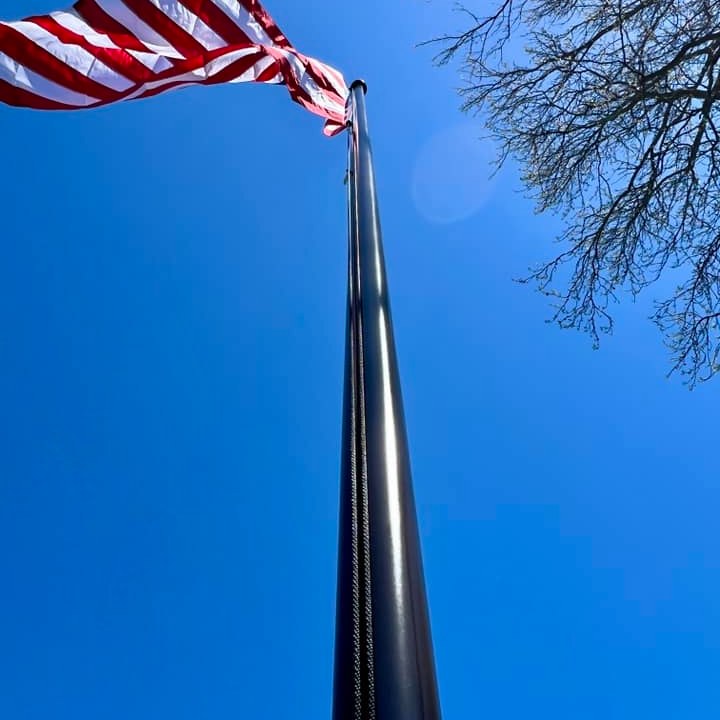
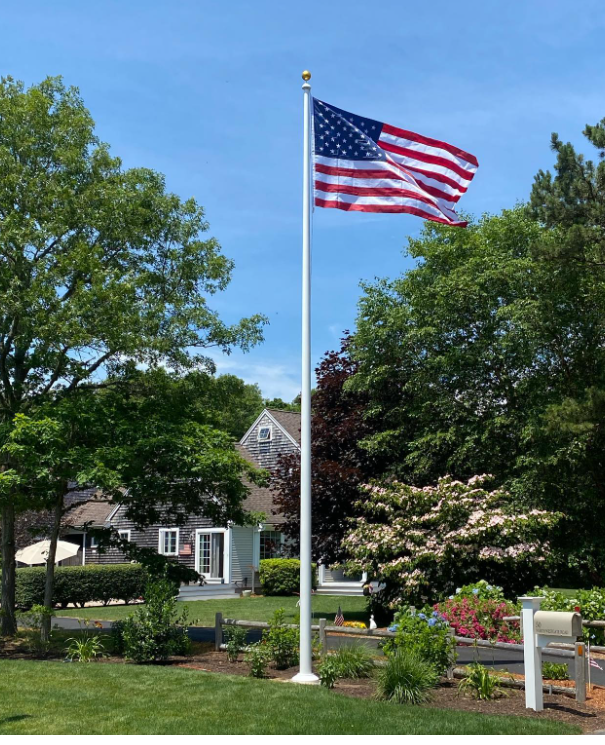
Unsure what flagpole best fits your needs? Contact us for assistance or compare all of our models today!
Frequently Asked Questions
Is a one-piece flagpole better than a telescopic flagpole?
Yes. A one-piece flagpole has no joints, locking collars, or sliding sections to fail, giving it far greater strength, higher wind ratings, and a cleaner appearance than a telescopic flagpole.
Are telescopic flagpoles durable?
Telescopic flagpoles are limited by their weakest joint. The locking mechanisms that hold each section in place bear the full stress of wind and vibration, which can loosen, stick, or fail over time, especially in harsher weather.
Can a telescopic flagpole handle high winds?
Most telescopic flagpoles carry lower wind ratings than one-piece flagpoles because the joints between sections are more likely to bend or buckle under pressure. For high wind areas, a one-piece fiberglass flagpole is the more reliable option.
Do telescopic flagpoles require a lot of maintenance?
Yes. Telescopic flagpoles need their joints checked, tightened, or replaced over time, and most are made of aluminum, which is prone to oxidation and denting. Fiberglass one-piece flagpoles are low maintenance and resistant to rust, corrosion, and pitting.

Follow Us!